

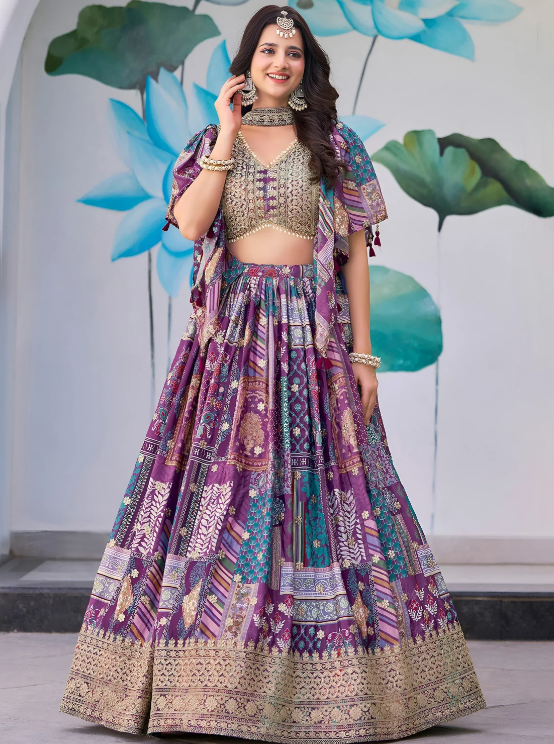
Getting ready for a wedding becomes much simpler when the outfit does not require last-minute tailoring. A fully stitched lehenga offers a convenient option for women who want traditional style with a ready-to-wear finish. It can save preparation time while still bringing together the colors, fabrics, and details expected from festive clothing.
Modern ethnic wardrobes increasingly focus on clothing that looks beautiful but also feels practical. Ready-stitched designs remove some of the uncertainty that comes with separate tailoring, allowing shoppers to concentrate on fit, accessories, and the occasion. This makes them particularly useful during busy wedding and festive seasons.
Why Ready-Stitched Designs Make Preparation Easier
Wedding preparations often involve several small tasks, and arranging an outfit can become one more thing to manage. A pre-stitched lehenga reduces that pressure by providing a coordinated ensemble that is already constructed. There is less waiting involved, which can be especially helpful when the celebration is approaching quickly.
Another benefit is consistency between the different parts of the outfit. The skirt, blouse, and dupatta are designed to work together in terms of color and detailing. This means less time is spent searching for separate pieces that might not complement one another once the complete look is assembled.
Fit Still Deserves Careful Attention
Although the outfit arrives stitched, buyers should not assume that every design will fit identically. Measurements remain important because different brands and silhouettes can vary in their sizing. Checking the provided measurements before purchasing gives shoppers a better idea of whether the outfit will sit comfortably.
The shape of the blouse deserves particular attention because it influences the overall appearance. Waist placement, sleeve length, neckline, and skirt volume can all affect comfort and movement. Trying the complete outfit with the intended footwear can also help identify whether any minor adjustment might be useful.
-
Compare your measurements with the size chart.
-
Check the blouse measurements especially carefully.
-
Consider skirt length with your footwear.
-
Review fabric details before making a purchase.
Choosing Details That Suit the Celebration
Not every wedding requires the same level of embellishment. Delicate embroidery and lighter fabrics can work beautifully for daytime ceremonies, while sequins, metallic threadwork, and richer materials may feel more appropriate for evening receptions. Choosing the decorative level according to the event keeps the outfit visually balanced.
A ready to wear lehenga choli can also make festive styling easier when the coordinated pieces already share complementary colors and detailing. This gives women a useful starting point for adding jewelry, footwear, and handbags without having to build the entire appearance from separate garments.
Styling the Outfit Around Its Main Feature
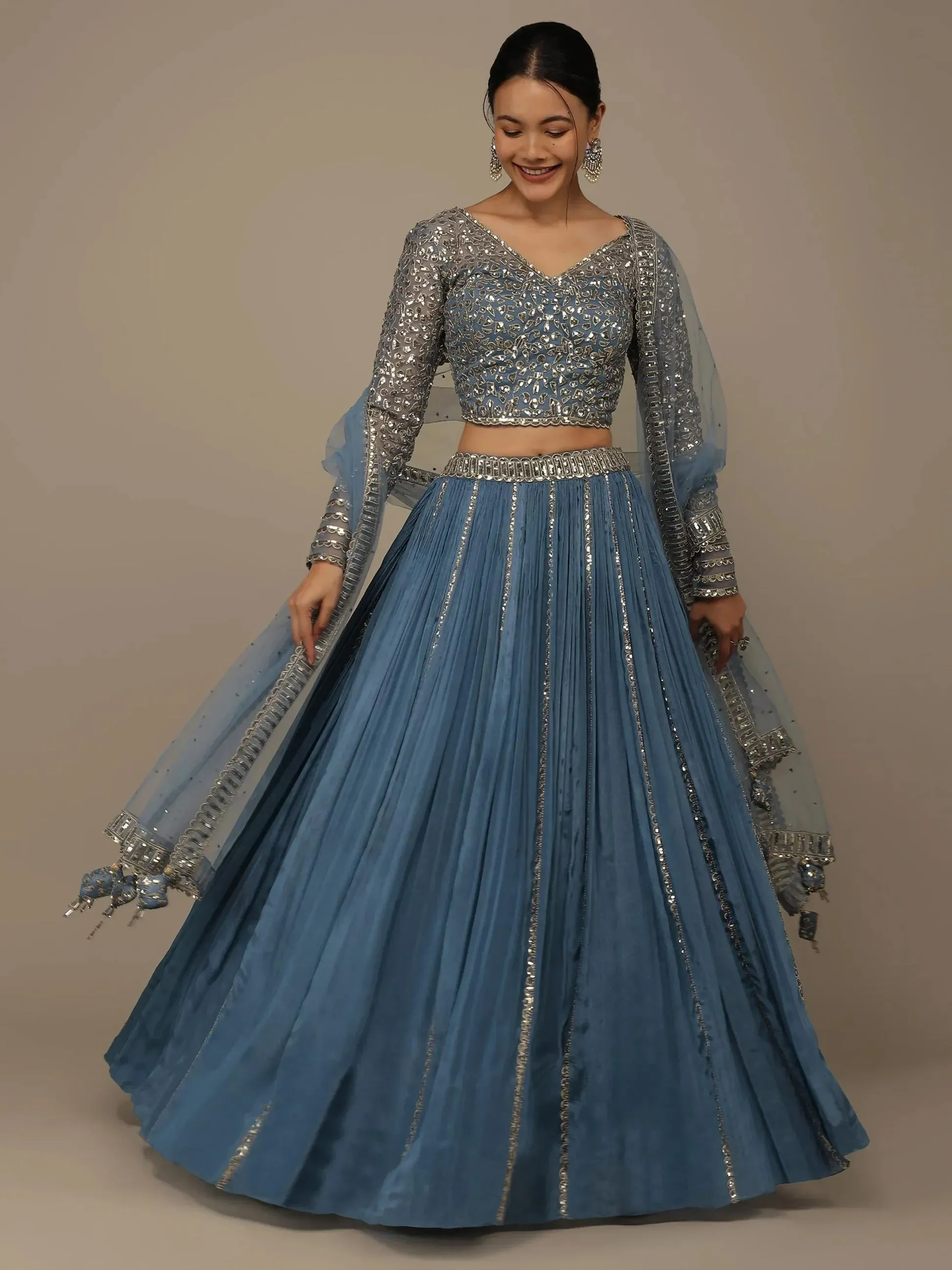
Once the lehenga itself has been selected, accessories should be chosen with its embroidery and color palette in mind. A heavily decorated skirt may need only elegant earrings and a simple bracelet, while a plainer design can support a statement necklace or more noticeable bangles without looking excessive.
The dupatta can also change the overall appearance considerably. A traditional drape creates a polished wedding look, while a relaxed shoulder drape can feel more contemporary. Matching the dupatta border with the blouse or skirt helps maintain visual continuity across the complete outfit.
Fabrics That Work Well for Long Celebrations
Fabric affects both appearance and comfort, especially when wedding functions continue for several hours. Georgette and chiffon offer graceful movement, while silk blends provide a richer finish. Velvet can work particularly well for cooler evening celebrations, adding warmth and depth to the overall festive appearance.
The weight of embroidery should also be considered alongside the fabric. Heavy embellishment can make an outfit difficult to carry for extended periods, while lighter detailing allows more freedom of movement. Finding the right balance ensures the lehenga remains attractive without becoming uncomfortable during ceremonies or photographs.
-
Choose fabric according to the event timing.
-
Consider embroidery weight before purchasing.
-
Select breathable materials for daytime functions.
-
Test movement before finalizing the outfit.
Conclusion
A well-selected stitched lehenga can simplify festive dressing without making the outfit feel ordinary. The convenience becomes especially valuable when the design combines a comfortable silhouette, dependable finishing, and details that can be styled differently for several occasions. Changing jewelry or footwear can give the same ensemble a noticeably different personality.
The most useful pieces are those that balance appearance with practicality. Instead of choosing a design only because it looks impressive in photographs, consider how comfortably it can be worn, stored, and styled later. When convenience and thoughtful design come together, ready-stitched ethnic wear becomes an easy addition to a modern festive wardrobe.