

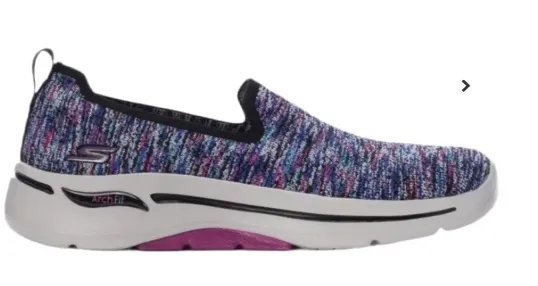
Picking the right pair of shoes sounds simple until you’re standing in an aisle staring at fifty different options and none of them feel quite right. Your feet carry you through everything, work shifts, grocery runs, walks with the dog, standing in line at the pharmacy, and yet most people grab whatever looks decent without thinking about what their feet actually need. That’s where things start going wrong. Some folks swear by Skechers slip ins because you can just step in and go, no bending down, no fiddling with laces when you’re already running late. It sounds small but honestly, that kind of convenience adds up over a week.
Why Comfort Should Come First
There’s this idea floating around that comfort and style can’t mix, like you have to pick one or the other. That’s just not true anymore. Shoe brands figured out a while back that people want both, and they stopped treating comfort like some boring afterthought. A shoe that feels good on your foot changes how your whole day goes. Achy feet by 2 pm mean a cranky mood, slower steps, maybe even skipping that evening walk you promised yourself. Comfort isn’t a luxury add on, it’s kind of the whole point.
Matching Shoes to Your Daily Grind
Not every activity needs the same shoe, which is something people overlook a lot. Standing on concrete floors all day at a job is a totally different demand than walking three miles on a weekend trail. Someone doing warehouse work needs shoes with sturdy support and maybe a reinforced toe. A teacher walking hallway all day wants something light with cushion that won’t feel like bricks by lunchtime. And then there’s the tech that actually pays attention to arch shape, like Skechers Arch Fit, which was built with input from podiatrists to give your foot proper support instead of guessing. It’s the kind of detail that doesn’t show up until you’ve worn a pair for six hours straight and realise your feet don’t hurt.
Signs Your Current Shoes Are Failing You
You’d be surprised how many people wear shoes way past their expiration date, so to speak. If the sole feels flat, or you notice yourself favouring one foot, or your knees start aching after a short walk, that’s usually your shoes talking. Worn-out cushioning doesn’t always look worn out from the outside. Sometimes the foam inside has just broken down and stopped bouncing back the way it should. A rough rule some people use is checking every six months or so, especially if you’re on your feet a lot for work or exercise.
Picking Shoes for Walking and Standing
Walking shoes and standing shoes aren’t exactly the same thing, even though people lump them together. If you’re mostly on your feet in one spot, like behind a counter or at a cash register, you want something with strong arch support and a wider base so you’re not wobbling around all day. Walking shoes need a bit more flex in the sole since your foot is rolling forward with every step. Grabbing a pair built for running when you really need standing support is a common mix-up, and it usually ends with sore arches by the end of the shift.
Considering Your Foot Shape and Width
This part gets skipped constantly. Feet aren’t all shaped the same, some are wide, some are narrow, some have high arches and some are pretty flat. Buying based on size alone without thinking about shape is like buying pants only by length and ignoring the waist. If your toes feel squished or your heel slides around inside the shoe, that’s usually a shape mismatch, not a size problem. Trying a few different styles, even from the same brand, can make a surprising difference here.
Seasonal and Activity-Based Choices
Florida heat, humidity, sudden rain, it all plays into what shoes actually work day to day. Breathable mesh uppers help a ton in warmer months so your feet aren’t sweating buckets. For outdoor activities like hiking or long walks near water, a bit of water resistance goes a long way too. People often keep one pair for everything, but honestly having two or three options for different activities makes life easier and keeps your feet from getting beat up doing the wrong job in the wrong shoe.
Conclusion
At the end of the day, comfort footwear is about actually listening to what your feet need instead of just grabbing whatever’s trendy. Think about your daily routine, how many hours you’re standing, walking, or moving around, and let that guide your choice. Small features like proper arch support or an easy step-in design make a bigger difference than people expect. If you want to explore options built around real comfort and everyday support, fitnshoes.com is worth checking out for a wide range of styles that actually work for real life, not just for show.